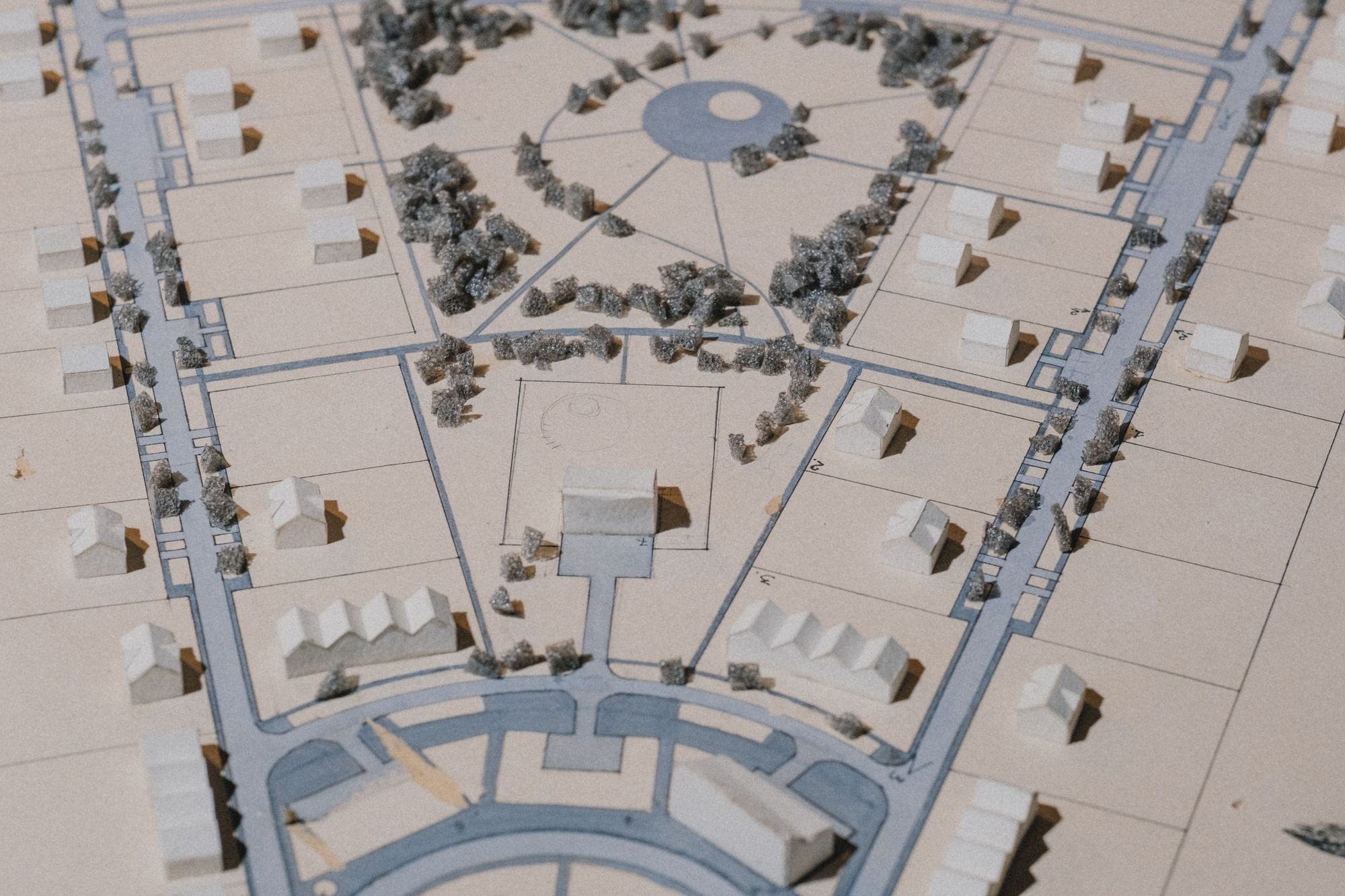
A market with dispersed information
The information needed to analyse a real estate asset in Spain comes from sources of very different kinds. The Spanish Cadastre (Catastro) is national in scope; urban planning is municipal and is set out in thousands of planning instruments in heterogeneous formats; market information is spread across operators, property portals and official statistics.
As a result, the same property may be described differently depending on the source consulted, and a significant part of the analysis that precedes a transaction is spent reconciling that information.
Plot-level analysis
The value of an asset is determined at plot level: that is where the permitted use, the buildable area and the building parameters are set. Indicators aggregated by area or municipality are useful for describing a market, but they conceal the differences that explain why two neighbouring properties have different potential.
Working at that scale requires the cadastral mapping to be integrated with the planning regime in force and with market information, and that integration to be kept up to date.
Data without a source or a date cannot support an investment decision.
Traceability
An analysis is verifiable when each data point retains its source: the document it comes from, the page and the date it was consulted. Traceability allows a third party to test a conclusion without redoing the work, and distinguishes what has been measured from what has been estimated.
- Comparability
- Assets in different locations and of different types are analysed using the same criteria.
- Less initial uncertainty
- Planning issues are identified before the offer stage.
- More efficient due diligence
- Due diligence starts from information that is already organised and documented.
Proptan's approach
Proptan analyses the planning regime in force parameter by parameter and keeps, for each parameter, a reference to the source document. Proptan Research reports apply the same principle: every figure states its source, its period and the date it was consulted, and estimates are identified as such.
Related